
Rocky Meowtain Company’s resources are a result of its founders experiences and should not replace vet care or professional medical advice.
Readers acknowledge that reliance on this information is at their own risk.
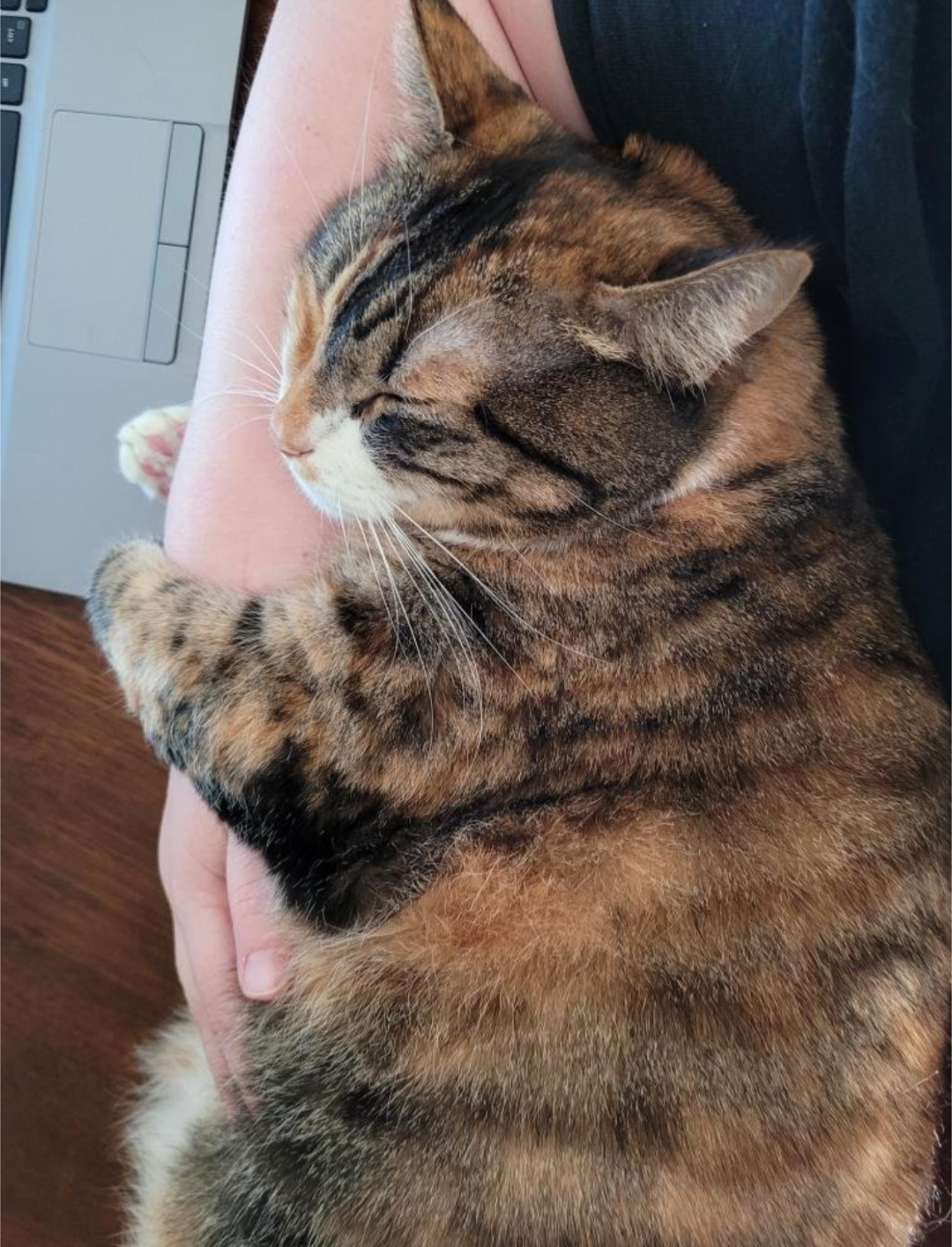
Home pet care
-
With so many options available to you, the most important thing to remember about diet is what suits your cat, your budget, and your lifestyle. If your vet has not recommended a specific food for your cat’s health, then some factors you may want to consider are their life stage, optimal protein ingredients, and avoiding fillers.
There are varying opinions on wet vs dry food, with many people choosing a combination of the two. Wet food assists with hydration, a common deficiency in cats, however wet food can also negatively impact your cat’s teeth so if you choose to include wet food in their diet then you may also want to consider healthy teeth treats and/or a teeth brushing routine. Kitten food is higher in calories so growing or recovering bodies can benefit from this being a part of their diet.
If you are having difficulty providing food for your pets, please see our link below to the Colorado Pet Pantry who can provide temporary assistance.
-
Cats typically miss out on proper hydration, and many suffer from kidney dysfunction as they age. While we can’t completely resolve this for them, there are definitely ways to help them be better hydrated along the way.
Every kitty has a unique personality and the best thing you can do to improve their water intake is pay attention to what encourages them specifically to drink more. For many cats that is water that moves. Now, unless you want to be beholden to your cat’s every 3am cry for the faucet to be turned on, you may want to try out a pet drinking fountain instead! Fountains can be used with or without filters making them a good long-term investment for minimal cost beyond the initial purchase. Just remember to set reminders for yourself to clean them regularly so your cat stays healthy.
Other cats might benefit from supplemental hydration tactics as simple as leaving out a full human cup of water somewhere accessible (in addition to their water bowl), because you know how kitties sometimes get such a kick from ‘sharing’ what is ours and getting away with it!
-
General recommendation for cat ownership is to keep your cat indoors, it promotes safety and extends your cat’s life expectancy. This is because when outside your cat can be exposed to so many dangers known and unknown. Things like traffic, strangers interacting with your pet, fights with other animals including predators, curious investigating in a dangerous area, and contact with rodents and other prey that may have been exposed to poisons. The best advice is to keep your cat inside and give them outdoor enrichment that is safe, secured, and supervised if they crave it.
If you are adopting a cat that is used to free roaming outside then you may have to come to terms with them being exposed to these potentially dangerous circumstances and just strive to provide them with everything they need in order to be as happy and safe as possible. Some kitties who’ve been outside their whole life do adjust very well to indoor comforts, so give them a chance before you make the decision to see if they can be happy inside.
Some safe ways to satisfy their outdoor needs include things like a leash and harness system, a cat backpack, cat stroller, or a catio. For more details on how to incorporate these into your cat’s routine, see the section on Behavior - Begging to go outside/Trying to Escape. If a cat is spending time outside in any capacity, they should ALWAYS be microchipped and wearing a breakaway collar for safety and identification purposes.
For tips on feeding and sheltering a barn, garden, or porch kitty see the sections on Colony Management, Winter Shelter, and Hot Temperatures.
-
Declawing is a misunderstood and inhumane procedure. Sometimes mistaken as nail removal or nail shortening, it is actually a surgical amputation of the last bone on each of your cat’s toes. A human equivalent would be cutting off a finger tip at the last knuckle. There are many safe and humane ways to curb issues you feel stem from your cat’s claws, largely based in maintenance and healthy habits.
Nail covers, while not as cruel as declawing, are not generally viewed as a kind solution to your cat claw woes. They annoy cats and in efforts to remove the annoyance they are often swallowed causing a danger to the kitty’s digestive tract.
The best way to keep your cat’s nails dull and neat is to provide good quality heavy duty cat scratchers all over your home and the corresponding enrichment to use them (like praise and sprinkling catnip), and if you like, to trim the nails safely.
Trimming - If you would like to trim your cat’s nails, you can do so with cat-crafted nail clippers or with human nail clippers. If you’re going to use human nail clippers, simply turn the cat’s paw perpendicular to the clippers’ end.
Be sure to cut only the very tip, never nearing the quick (the pinker part of the nail that contains blood vessels and nerve endings). If you feel you didn’t remove enough and have to clip again sooner than you’d like, that is a better result than clipping too far which will hurt them and cause bleeding, stress, and a break in the trust of your relationship. If you like, you can have clotting powder on hand open and ready just in case you accidentally cut below the quick, this will help the cut to clot and slow the bleeding.
When trimming your cat’s nails, always approach them when they are in a calm and relaxed state. Treats can be a big help with this, and a treat as a reward afterwards is an excellent motivation for next time. Pay attention to cues from your cat while you work, you will know when they are done and honoring that will help build this routine into a safe habit for everyone.
If your cat is howling or struggling to get away, do not hold them down for the purpose of trimming their nails. By doing so you are teaching them that this is a stress to expect, and they will react this way or worse every time you try. Instead, approach them when they’re relaxed, give them some loving pets, and start trimming gently. If you only get a couple nails each time that’s okay, it might take a few days to work your way through all of them.
If your cat is very nervous every time you attempt to trim, approaching them while they are sleeping can be an effective workaround. You’ll likely be able to clip one or two nails before they stir awake, and if they’re bothered, let them be and try again later.
Remember you are caring for a wild animal, who has adapted to living indoors but who does not understand your desire to say, keep your couch pristine. Sometimes animal ownership means compromising your ideal environment, and the benefits of a furry friend far outweigh the sacrifices.
-
Rarely do our cats exhibit ‘bad’ behavior for no reason. Often, acting out is a sign of a need not being met, and so we must pay close attention to what our furry companions are silently trying to tell us.
Sometimes a simple fix is all you need to bring peace to your home’s dynamics. That being said, it is always prudent to remember that you are indeed sharing your home with an animal, and an apex predator at that! So being able to completely control their quirks or silly behaviors is not an achievable goal. Below are some common frustrating behaviors and options to try and curb them.
Scratching furniture - Try offering a scratching post directly in front of the area they are attempting to scratch. If possible, kindly and gently disrupt them whenever they start to scratch in an area you want to discourage. Cats are creatures of habit and enough disruption can get rid of the need to repeat in their mind.
Jumping on countertops - Cat owners will sometimes swear by using water spray bottles to keep cats off the counters, but this practice has been shown to break trust and ultimately be a determent to your relationship with your pet. Plus, they are smart enough to know that they can still get away with it when you aren’t around to wield the bottle.
Again, in this case your best bet will be to disrupt the action enough times in a row that the habit breaks. Some ways to assist in this might be lining the countertop temporarily with items they can’t clear a jump over, and/or other materials they don’t want to touch like aluminum foil.
Bathroom use outside of the litter box - If your pet is using the bathroom outside of the litter box, it could be indicate a variety of problems. The easiest prevention is having enough litter boxes and keeping them clean and fresh. For every one cat you own you should have two litter boxes. One cat needs two littler boxes, two cats need three litter boxes, and so on. Scoop the litter once or twice a day. Once a month dispose of the litter inside, clean and rinse the box, and add brand new litter. If you use a plastic litter box, discard it completely every six months and get a new one.
Make sure that the litter boxes are in an accessible area and large enough for your pet to use comfortably. They may be having trouble getting inside if you have a covered box, or they may be troubled by the door mechanism. Try to troubleshoot the box itself, work with the size, location, and cleanliness issues before you move on to any other resolutions.
When moving a litter box, do so slowly. A drastic move from one room to another may cause confusion and worsen the problem. I would recommend moving the box a few feet at a time over several days until it is in the new desired location.
Any stress on cats can affect their healthy habits. If your cat has not responded to environmental changes with the litter box, it’s time to take them to a vet and see if they have any health conditions causing them to go outside of it. This may be a physical condition like a urinary tract infection, or it may be a mental struggle they are having. Medications are available for both. You want to ensure that your cat is in a calm, clean, and safe environment in order to promote less litter mishaps.
Early morning wake-ups - If your cat is regularly waking you up too early in the morning, it could be for a variety of reasons. It may be that the cat is eager for breakfast, but a more simple reason could be that your cat just misses you and wants to be sure you are safe. As you probably know, cats sleep a lot intermittently throughout the day, but not for as long as humans sleep during the night. Your cat may be worried that you are not going to wake up and that something bad has happened to you. Try to keep kindness in mind when your pet wants you awake, as it is usually just because they miss you, they want to spend time with you, and they want to make sure that you are okay.
If it is a feeding issue, you may want to consider adjusting feeding times, which should be done with a slow transition. It would be very hard for your cat to be used to being fed at 5am and then suddenly not be able to eat until 8am. So if you are going to transition feeding times, do so by 10 or 15 minutes per day to make the transition more gradual and avoid a very hungry and stressed pet. Other options are free feeding, such as leaving dry food out and only giving wet food once or twice a day, at a time that is convenient for you. Or getting an automatic feeder, which can be programmed to dispense as much food as you like as many times per day as needed.
Begging to go outside/Trying to escape - If your cat is constantly begging to go outside or tries to escape every time you open a door, first consider the source that you got them from and the fact that you might not know their history. Perhaps this cat was an indoor/outdoor cat before you adopted them and they don’t understand why the outdoors are suddenly inaccessible to them. They may also just have the desire to go exploring. There are many ways you can satisfy their enrichment and curiosity of the outdoors without actually letting them free roam, which as you know, can be quite dangerous.
One option is a simple cat tree in front of an open window with a secure screen, giving them fresh air and plenty of nature to watch. Another option would be a catio or an outdoor cat tent where they can have supervised time in a secure place where they will not be subject to predators or escape.
If it is of interest to your cat and safe to do so, you may opt to take your cat on walks with you. This option requires equipment that might make a cat who has never experienced it uncomfortable, like a cat backpack with a window, a cat stroller, or a harness and leash system. If you are going to implement one of these into your cat’s routine, you will want to do a very slow introduction process. Allow the cat to be around an unused leash and harness system, backpack, or stroller by leaving it in an area that they frequent. This will allow the item become scent familiar after a period of time and investigation. Then, you can start using them indoors, and only as the cat is comfortable.
Small steps are key here. For best success start with a few minutes of use around the house, and once they have shown that they can tolerate it, you can move on to the outdoors. Always, always have all doors closed and secured when you are putting the cat in or out of these attachments. After indoor testing, start outdoor use slowly by using them in your own backyard or on a short walk around the block. As your cat is more comfortable, you might extend these blocks, or eventually be able to take them to cat-friendly establishments or out further into nature for adventures.
Some cats will just not like the items that allow them to be safely outdoors and that’s okay. It’s perfectly fine to give it a good try and let the cat get used to these items in increasingly longer steps and periods. But if the cat is showing extreme stress, discomfort, or nervousness when taken outside in these contraptions, then don’t subject them to any further efforts.
And if your cat has no interest in the outdoors, that’s fine too! Some cats just aren’t meant for those kinds of adventures and prefer to enjoy a luxurious life of comfort inside.
Refusing to eat - If your cat is refusing to eat or vomiting frequently, this is a major and urgent sign of something wrong. Cats are not like dogs who can go for longer periods without eating, even a brief window without food for a cat can be severely damaging to their organs.
If your cat seems less interested than usual in food, you can try a food change. However, please keep in mind that a stark, immediate change from one food to another will cause your cat to have an upset stomach, and this could potentially make the cycle of not feeling well and not eating even worse. Most cat food brands will have transition instructions on the packaging, but a good rule of thumb is to transition them over the period of one week. Using first their full amount of the old food with a little bit of the new food mixed in, then the following day a little less of the old and a little more of the new, and so on, until at the end of one week they are completely transitioned.
Sometimes a new food is all a cat needs to be enticed back to their regular eating schedule. But if you are having to change food constantly in order to convince your cat to eat, there may be a bigger problem. Cats are very good at hiding ailments and what is going on with their health. A trip to the vet is an excellent idea in order to make sure that something serious isn’t causing their lack of appetite.
If your cat has not eaten for more than a day, it is time to be concerned. Once you hit that two-day mark, you are in a danger zone. Take your cat immediately for a vet consultation to see what you can do to re-stabilize their nutrition.
Aggression - If your cat is suddenly aggressive, something more is going on. Depending on age or mental state, this could be a sign of stress or mental deterioration. Cat’s bodies and brains age just like ours do. Be kind to your cat, especially if they are a senior kitty who are exhibiting unusual behavior of this kind, they cannot be expected to maintain control over their emotions.
Likely there is more going on than we can understand, so a visit to the vet is warranted in order to determine what might be causing this and if there is a treatment available for them. If the behavior is due to a simple environmental trigger, take a moment and think about what has changed in your home and in the cat’s life. Did you move recently? Was there a new pet or person brought into the family? Anything that makes the cat’s routine feel disrupted can trigger their need for safety and cause concern that their environment has become less stable, and therefore they feel the need to be on the defense.
Be patient, give your cat time to adjust to major life changes. Even something as simple as rearranging furniture can cause a cat to stress. They thrive on routine and stability.
If a cat that you just adopted or took indoors from the outside is seeming shy, aggressive, withdrawn, or scared, that could be just a normal part of the acclimation process. See our sections on Bonding and Adoption for more information about how to build trust and acclimation expectations.
Grooming troubles - There could be a variety of reasons that your cat is having trouble keeping themselves clean or regularly grooming. If they are getting older they may be struggling with arthritis and joint mobility making it harder to reach areas that need to be groomed. This may also be true for a cat who is pleasantly plump.
If you are noticing that the cat is having difficulty, especially on the rear end, there are several simple ways to help them. Remember, your cat wants to be clean, and it causes them sadness and even distress when they are feeling less than fresh.
Getting pet-safe wipes to assist them every once in a while when they need help cleaning up their hindquarters is great, but keep in mind when choosing these products that cats are very sensitive to scent. A warm, wet, and then wrung-out washcloth will also work perfectly for a lovely all-over regular bathing assist tool. They will feel so much better physically and mentally if you can help them with this.
If the issue is solely relegated to the hindquarters, or if you have a very long and fine-haired pet, you might be able to help them with grooming tools. This could be a special brush designed just for your cat’s unique fur, or a trimming and clipper system.
If you are going to attempt to groom your cat using scissors or clippers, please only use pet-safe options. Pet-safe cat scissors will have rounded ends, which will help to prevent or reduce injury if the cat becomes distressed while you are trimming them and tries to run away. Cat-safe clippers will often have a lower vibration and sound in order to reduce stress when being used. If your cat is not used to these kinds of tools, you are going to want to do a slow integration. Leave the clippers or scissors out and let the cat get to know them before you ever attempt use. For the clippers, turn them on and set them down, letting the cat get curious and used to the sound and vibration.
If your cat has become matted, please know that those mats are very uncomfortable and sometimes painful. You are going to need to get rid of the mats and you cannot brush through them at that point. Mats will have to be shaved off either by you or a professional. Please choose whichever option will cause your specific cat the least amount of distress. Some groomers will even come to your home, which can lessen the anxiety for your cat having to go into a clinic or travel to a groomer.
-
It’s very important to give your cat regular and valuable enrichment. This will help make them a happy and fulfilled pet, give them a better life, and also help to reduce any problematic behavioral traits you’d like to avoid because they will be getting plenty of attention from you. Some forms of enrichment could be toys, watching cat TV on YouTube, a well-placed cat tree for looking out a window, playtime with another pet, etc. Wand toys are very good for interactive play and will help solidify your bond. If your cat is desiring much more attention than you’re able to give, while you’re away at work for example, you might consider interactive self-play toys, treat puzzles, and lick mats, which are fantastic sources of entertainment and problem solving that will keep your cat nice and busy.
-
Decisions and Factors to Consider - Rocky Meowtain Company will always encourage an adopt don’t shop approach. There is an endless supply of cats in need of a home. Shelter and rescue kitties make excellent pets and seem to understand and appreciate that you have saved them and brought them into a cozy life, they will no doubt be so grateful they were chosen by you. And even if there is a particular breed you have dreamed of owning, you are surprisingly likely to find that special kitty in a shelter or rescue setting if you are patient and persistent in checking the available cats. Breeders are unfortunately so unnecessary, often unsafe, and truly do rob so many deserving cats of finding their forever homes.
When deciding whether a kitty companion is right for your home and lifestyle, please consider what kind of cat you can confidently provide for. A personality fit is far more valuable than a preferred look, though let’s be honest they are ALL the cutest aren’t they?!
Age and health are valid considerations when choosing your new cat. Both can be decent predictors as to the kind of care, upkeep, and lifespan you are committing to. Of course there are no guarantees, but adopting a kitten can be a twenty plus year relationship! Please consider what kind of care you can afford and how much attention you can provide to your new pet, and factor in the known traits of the available cats as you make your decision. For example, if you are away at work or travel often, you might not choose to adopt a very affectionate and attached cat that will be left alone so much.
That being said, the way a pet behaves in a shelter or foster setting is not always representative of the way their true personality may develop in time. Sometimes dynamics and environment will shift in their new home, and with that so does behavior. The best predictor of personality is what the rescue or shelter is able to tell you about them, and their age. As cute as kittens are, their personality can change drastically as they enter adulthood. If you adopt a cat that is at least two years old, you will generally have a better idea of what they are like as adults. A snuggly baby will not necessarily equal an affectionate adult, and vice versa.
If you’re adopting or rescuing a cat, please keep in mind that their health and needs will change over time, and that even if the personality they grow into isn’t what you expected, they still depend on you and love you in their own way. The best thing you can do as their trusted human is to love them back on their terms.
We are so often exposed to myths about cats not being as social to humans as dogs are, but given proper safety and trust many cats are actually quite physically affectionate, and even sometimes up for on-the-go adventures with you. The more people seek to understand how to communicate with cats the more we see how varied their personalities are under care that understands them.
If you do decide to adopt a kitten, you will find that it is common to do so in pairs for a variety of reasons. Kittens need company to socialize, learn boundaries, and communication. While it may sound like more work, a solo kitten will actually require much more of your time and energy than two will. Two will keep each other company and lessen the constant attention need from you, it also tends to reduce any accidental boredom-based destruction habits. If you have other cats or pets in the home, that may seem like enough to keep your new kitten company, but it can be difficult for your current pet to absorb the needs of that kitten’s socialization. Your adult pet will thank you immensely for adopting kittens in pairs, as there is nothing that quite rivals the energy levels of a kitten!
Adding a Sibling - When deciding whether or not to adopt another animal, it’s very important that you consider your current animal’s phase of life, personality, and ability to adapt. Bringing another animal in will always change the household dynamics. However, if done correctly, it can be a wonderful bond for your current pet. New siblings can bring warmth, purpose, and even reinvigorate a youthful joy into their routine.
Never adopt another pet without a game plan for what you’re going to do if the pairing does not go well. Often we see good pairings with older cats who get a new sibling of the opposite gender, however this is not a hard and fast rule. A slow integration is key here. You never want your resident cat to feel unsafe, unstable, or like the rug is being pulled out from under them. Make sure your current cat is getting extra attention and care while they adjust.
You may have to contend with a quarantine period, depending on the health status and vaccination schedule of your current and your new pet. If you are keeping pets in separate rooms at first which is recommended, feeding them on opposite sides of the closed door is a great way to start letting them get to know each other via scent. Eventually you can move to having supervised, careful, slow, safe, and steady interactions and watching their bond grow.
Remember there is no timeline, and cats communicate in different ways than we do. So if you see the cats hissing, or seeming to smell with their mouth open, that is just how they’re expressing themselves and getting to know each other. It is not necessarily a sign of aggression towards the other pet. The most important thing is to stay consistent and patient with all the animals, whether you are introducing them or giving them their space. They should all have a place that is safe and quiet to retreat to when they’re done socializing for the day. And it’s also okay if your old pet and your new pet are never the best of friends, as long as they can coexist safely, peacefully, and happily in your home.
FIV+ Kitties – FIV status is sometimes misunderstood or mistaken for FELV, which is far more contagious. A kitty with FIV can usually safely reside with non-FIV kitties in the same household without prolonged or permanent quarantine procedures because FIV can only be transmitted through deeper bite wounds, not through shared food and water. So don’t rule out adopting an FIV+ kitty into your loving home, but as always do take careful consideration for your household’s dynamics before making your final decision.
Acclimation – When your new cat is entering your home, there is no guarantee or official handbook to how long it will be before they feel at home. Every cat is different but a general rule is what we call 3x3x3, meaning it takes three days to decompress, three weeks to learn routines, and three months to build trust.
When it Doesn’t Go As Planned – When adopting a new pet always check with the organization you are working with regarding their return policy. Most places have a path to return the animal regardless of how long it has been since adoption. This is the best path to rehoming as the organization can then vet a new home based on their standards and practices and ensure the best next placement. They may also be able to provide you with advice and resources to help resolve whatever struggles you are experiencing before actually having to return the animal. It is a very difficult and painful decision to rehome, but we can ease the process by removing the shame and remembering that our first priority is always the best possible life for the cat at the other end of this situation.
-
When bringing a new kitty into your loving home, their process to integrate is heavily dependent on your patience and understanding. Especially if that cat is coming from a shelter environment or used to being outside and focused solely on surviving.
Give your new cat an indoor space that is quiet, private, and dark. Always let them retreat there if they feel like they need to find safety again. Never push them to acclimate to your life or desired level of snuggles, they need to do it on their own time.
There’s no set timeline for the bonding experience, but they will get there if you are patient, kind, and respectful of their boundaries. Since we don’t always know what their life was like before you had them, giving grace to how they are feeling is so important.
If there are children or other pets in the home it’s highly recommended to give your new cat their own room (even if that is a bathroom), especially if a period of quarantine is required before allowing them around other pets.
Your new cat may exhibit signs of shyness or fear, so the goal is to spend time with them without expectation or demands. Spend time in the room with them, but don’t force them to come to you or be pet. Let them decide on their own when it’s time to interact. Simply sitting in the room, browsing on your phone or reading a book and not making any loud noises will signal safety to them. This lets the cat get used to your presence, your scent, and your energy. The cat will eventually get curious and want to see what you’re all about.
A great way to facilitate and encourage that curiosity is to bond with them over food. You can bring your meal in and eat while they have theirs. Always bring treats, especially tube push-up treats like Churu. These can be an excellent way for your cat to associate you with something positive. Since these tubes are long, you can hand feed them to the cat without having to be too far into their personal space. To start, if the cat is extra nervous, just squeeze a little bit of the Churu out onto a plate. Let them learn to enjoy it and see how delicious it is. Over time, they will eventually lick from the tube as you hold it.
An open lap policy is an excellent way to encourage a cat into your comfort, and once they realize how wonderful the pets are, you’ll be rewarded with many purrs.
Please also read our section on Adoption for more great tips on helping your new cat adapt.
-
Moving can be one of the most stressful times for your cat. They’re not used to having their environment shifted and it can trigger many stressors. Talking to them, soothing them, and explaining out loud what’s going on can all be very helpful. Reassurance, kind words, and extra attention will go a long way.
When you’re prepared for the move, it is a good idea to move your cat before your belongings if possible. (Moving your belongings first can create worry that they have been left behind.)
Create a room in your new home with your cat’s belongings so that they can get used to the new smells and surroundings with a touch of familiarity. Keep your kitty in this room with the door closed and clearly labeled so that no one accidentally opens it, and so they are safe and protected while all of the scary moving sounds occur.
Give your cat plenty of time to adjust in the small room you’ve decided is temporarily theirs, even if this is a bathroom. Let them decide when they are ready to explore the rest of the house.
-
A lost pet can be incredibly stressful. Know and be reassured that in general, cats tend to not wander very far. They are typically found within a block or two of your house.
Go searching for them every day, preferably at sunrise and sunset. When you search at night and in the morning, be sure to bring a flashlight and shine it anywhere a cat might be hiding like under porches, into bushes, etc. Catching the glint of their eyes back against the flashlight is one of the better ways to spot a cat in hiding.
Call for them and shake some treats but remember that they may not be able to respond to you as they will likely be in survival mode and may be too afraid to come out of their hiding place. Cats are excellent survivalists and they have probably hunkered down somewhere safe and are waiting it out.
It is very important not to give up your search. Even after weeks or months, people have successfully found their cats. You can also leave out items that will be familiar to them, like some of your clothing.
Searching every day, talking to your neighbors, posting signs, and posting digitally on your local Nextdoor, Facebook group, and websites for lost animals are key. Beware though that some of these posts might invite scammers looking to prey on panicked pet owners. It’s a good idea to confer with a trusted friend or family member when engaging with those who respond to your post as they can provide you with a clear head and possibly better scam detection.
Don’t stop looking. Don’t stop talking. And of course, one of the best ways to ensure your cat is returned safely regardless of how much time has passed is to make sure that they are microchipped and have a breakaway collar with your identifiable information on it.
-
It is so, so important to have regular vet care in your cat’s life, not only to keep them up on vaccinations and your county’s pet license requirements, but also to have the comfort and security of a reliable place to go when your pet needs it. Keeping up with your cat’s check-ups and vaccination schedules will not only keep them healthy, but will allow you to build trust with your vet’s practice and give you the confidence that you have chosen the right care provider. The best time to find a vet is when your pet is in good health, before they are in need of serious care forcing you to find someone new in a hurry. If you are experiencing hesitation or have a bad feeling about your current clinic, now is the perfect time to start looking at options.
When selecting a vet online research is valuable, but word of mouth is even better. Talk to the pet owners in your life and get their recommendations. Ask them specifically about their experiences and what it is they like so much about their vet. Good questions to ask when vet shopping are: Do they provide overnight care? Is that overnight care supervised by staff located on-site? Do they have boarding services? What are their policies? How do they give back to their community?
In addition to a regular vet, you should have a chosen emergency vet just in case something happens after hours. You don’t want to be scrambling to find a 24-hour vet in the midst of an emergency. If you have a regular vet that you like, ask them who they partner with for emergency or overnight care.
Don’t forget that you are your cat’s main advocate. Veterinarians, their techs, and their office staff are passionate about animal welfare and care. But it is a business, and you need to feel comfortable with the people who are working for you and your pet’s health. Don’t be afraid to advocate, ask questions, take notes, and do your own research. Not every vet can keep up with every medical development, especially because cat vet care is historically far less studied and practiced than dog care. If you can find a cat-owned clinic in your community, that is a great place to start.
-
Many cats will unfortunately experience CKD (Chronic Kidney Disease) in their lifetimes. As mentioned above, hydration and kidney function are highly connected and a lifelong struggle for most cats. Cats are identified as seniors as early as the age of ten, so don’t be surprised if your cat who still behaves very youthful and kitten-like, is suddenly exhibiting signs of old age including CKD.
Signs that your cat may be exhibiting symptoms of CKD are a diminishing interest in eating and frequent vomiting, whether made up of food or clear liquid. Symptoms can also present as an upset stomach and acid reflux.
There are many ways to treat the four different stages of CKD and every case is different. Sometimes it can seem to come on very strong without warning. No matter how desperate it seems when you receive test results or a diagnosis don’t give up hope, because veterinary intervention at varying degrees of severity can often be so incredibly helpful and greatly extend the life of your kitty.
Treatment can range anywhere from simple diet changes and supplements, to overnight veterinary hydration efforts. You would be amazed at the recovery and longevity possibilities some of these more intense interventions can provide, and at which of them you can learn to expertly administer at home on your own.
If your cat is diagnosed with CKD you can find a wealth of support and tips online from other cat owners managing the variety of treatments available. The website below, while archaic in presentation, is one of the best resources available for navigating this disease. Being resourceful and doing some research is invaluable with CKD:
Just Diagnosed? Start Here – Tanya's Comprehensive Guide to Feline Chronic Kidney Disease
-
Saying goodbye to your pet is one of the hardest things that you will ever do. There is no roadmap or guaranteed way to know that you’re giving them the perfect end at the right time. However, it is often felt in those moments during and after the grief, that people are grateful to have given them this final gift of a peaceful passing. The ultimate act of care is letting them go even if it means absorbing that pain yourself. And knowing that while it will hurt, ending their suffering and giving them peace is the most important part.
If you are able, please do be present and provide them comfort in their last moments. As hard as it is, they’re relying on you to be strong for them and carry them into their final transition. To know the right time is impossible, especially if they are still mentally aware but their body can no longer cope. You know your pet best. You will gauge their quality of life by being with them in the day-to-day struggle, and your veterinarian can help provide you with medical advice to consider and key points to be aware of. Below, we have linked a quality of life checklist that you might find helpful when gauging this decision. A good thought to ponder is, would you rather be a few days early or a few days late? And that there’s no shame in letting them go on a good day.
It’s hard to have this choice weigh on your shoulders without being overwhelmed with guilt and indecision, but try to remember that you have given your pet the best possible life you could, and they had a better life because you were a part of it. You were their whole world and they love you so much.
When utilizing vet care for peaceful euthanasia there are key things to consider. Is there a practitioner who can come to your home? Would that be the best place for your cat to pass? If your cat is stressed by traveling to vet visits and the chaotic noise that can happen in a vet office, this could be a good option for you.
Remember that regardless of the setting, you can still control the time spent with your pet during this process, as well as the time after. Don’t be afraid to advocate for your pet, your grief and for the final moments you will share together. Take your time to say goodbye. Do not feel rushed.
It is not uncommon or bizarre to spend hours or even overnight with your pet post-euthanasia. If the euthanasia took place in a vet’s office, you have the option to take that pet home regardless of what your plans for burial or cremation are. You can take your pet home and bring them back in the morning if that clinic will be handling the remains for you. This can give you significant comfort and help you through the grieving process in so many enlightening ways. You might want to have that unrushed extended time to snuggle, groom them one last time, and get them ready for the post-burial or cremation process.
It can be very healing to say goodbye on your own time, have a ritual or ceremony with your family, and if you have other pets in the home, to show them what has happened. If you choose this route, let your other animals inspect and understand where their friend has gone. Cats and dogs, or other family pets that do not get this closure, can often wander sad, confused, or crying for weeks while looking for their companion.
When it comes to burial or cremation, you have several options. You can bury the body yourself, or explore pet cemeteries in your area. You can do a group cremation where typically the ashes are not returned, or you can do a private cremation where you will receive the ashes back. These can at times be costly choices financially. However, often practices who provide these services will have options for financing like Scratch Pay or Care Credit, which you can use to spread the payments out over time. Scratch Pay has guaranteed interest, but Care Credit offers some deferred interest plans in which you can avoid interest fees.
Remember you do not have to use the burial or cremation services that your vet is contracted with. You have the option to take the body with you and then when you’re ready, to take them to the establishment of your choosing.
If you have a sick pet and you sense that time is limited, it’s a good idea to make these decisions in advance and have a little document ready so that in the midst of your grief, you’re not scrambling and feeling rushed to make important decisions. Please see the information and link below for additional peace of mind and a quality of life checklist that might give you a comforting place to start.
For some lovely ideas on how to remember your pet, your chosen provider may offer things like whisker, fur, or paw print remembrances for additional fees. But you can also prepare some of these while your pet is still with you, by saving a bit of fur off of their brush when you groom them, saving the whiskers that you find around the house, and crafting fun art projects with their paw prints.
Remember you do not have to store remains or remembrance items in the receptacles that the burial site or cremation showroom have available. Often you can find less expensive urns and other memory holders on sites like Amazon, Etsy, etc.
Quality of life checklist:how-will-i-know_rev_mar2024ms_0.pdf
List of perfectly valid and reasonable considerations when deciding when to pursue euthanasia:
· If your pet has stopped eating for consecutive or increasing days.
· If your pet’s vomiting is persistent and cannot be controlled with medication.
· If your pet is too weak to stand or get around, especially if their size prohibits you from helping. This includes loss of limb use or risk of them falling and injuring themselves.
· If your pet is incontinent and you feel that this is not a dignified life for them.
· If your pet cannot be cared for consistently because you are not home due to your work schedule.
· If your pet is in extreme pain that medication cannot control or alleviate.
· If your pet is having trouble breathing.
· If your pet is not mentally aware of what is happening and they appear confused, frightened or disoriented.
· If your pet has a seizure disorder that medication cannot control.
· If your pet has a progressive or debilitating disease that you cannot manage physically, mentally or financially.
· If your pet has a behavior issue and their aggression is becoming dangerous to other animals or to people, and behavioral intervention did not work.
If your pet is experiencing the following signs you should consult a professional immediately and quicken your decision-making process:
• DIFFICULTY BREATHING
• UNABLE TO LIE DOWN, MOVE AROUND, OR SLEEP DUE TO PAIN OR BREATHING ISSUES
• EXTREME PAIN
• UNEXPECTED AGGRESSION OR VOCALIZING SIGNALING EXTREME DISCOMFORT
• UNCONTROLLED SEIZURES
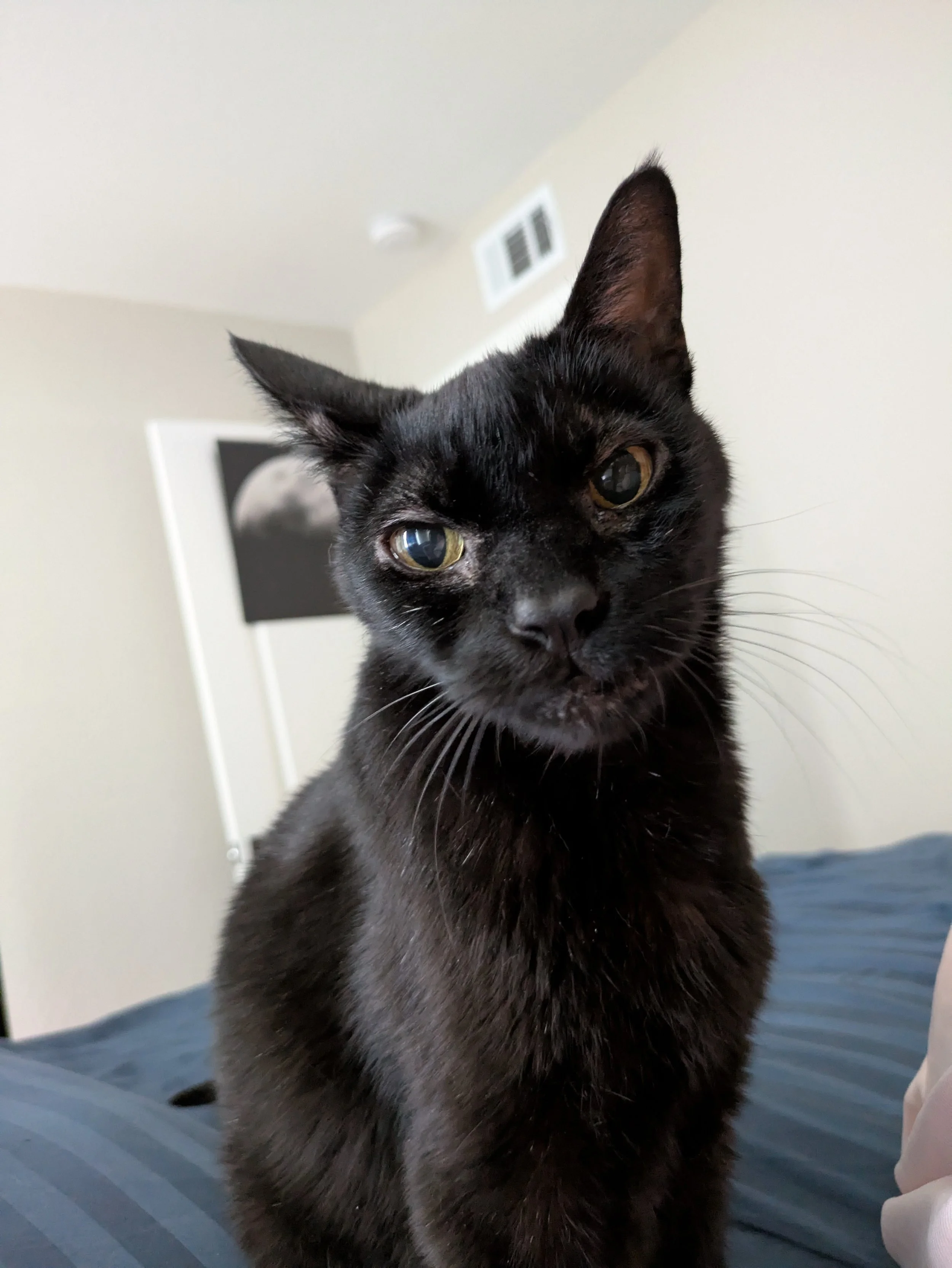
Feral and Stray Care
-
A community cat is simply a cat without a home to call its own. Community kitties rely on the kindness of the humans in their neighborhood to give them a safe place to be warm, to sleep, and to be fed. Community cats range in temperament from a friendly stray to very feral. It’s important to remember that a feral cat is not a mean cat, they just haven’t yet known the trust and love of a human. They are all just trying to survive, your empathy means the world to them and can give them such a beautiful extension of life expectancy.
Please also read the other sections in this category if you notice a cat in your community and you are not sure of their status, or if you are looking for ways that you can help. Remember that many cats who appear to be community cats were unfortunately dumped or abandoned. This happens more than you would think. People frequently move leaving cats behind, no longer want their pet due to age or illness, or can no longer care for them financially. While this is of course not a responsible way to rehome a pet, not everyone is aware of the resources to surrender them responsibly. And many people have the misconception that cats can survive in the wild on their own. This is incorrect. Cats born outside have a hard enough time surviving without a caretaker, and if that cat is used to being an owned pet, they cannot adapt to suddenly fending for themselves.
Sometimes neighbors do not appreciate outdoor cats or community cats having a presence in their yard. So these cats can often be trapped, relocated, and dumped under the false pretense that this helps rid a neighborhood of community cats. This is of course false. Removing community cats from one area only leaves that area open for new cats to move in. We are experiencing a massive overpopulation crisis, and while TNR work helps greatly to fix that, we are nowhere near a world where there won’t always be more cats that move into any given neighborhood. Community cats might look well-fed and healthy at first, but that may be because they were being taken care of in the area they lived before they were dumped in your neighborhood. So please keep an eye on them and show them kindness while you attempt to figure out where they came from, if they’re being cared for, and how you can help.
The best way you can combat the community cat population is to be part of the solution, whether that is doing TNR work yourself, or supporting organizations like ours and your local government-funded clinics that help to trap, neuter, spay, vaccinate, and return kitties to their community. Look for signs of care in nearby yards, and talk to your neighbors and see if the kitty you have noticed is being cared for. If you find a caretaker, ask them if they need help or resources to get cats fixed or to keep them fed. Please do share this page of our site and together we can make a real difference to ensure all community kitties have a safe place they can call home, even if that is in an outdoor managed colony.
-
TNR, or as it is more commonly known now TNVR, stands for trap, neuter/spay, vaccinate, and release. It is the goal of cat rescue efforts to ensure that every community cat goes through this process because it prevents repopulation, reduces disease and infection, and allows cats without homes to live a much longer life. Having community cats fixed and vaccinated also keeps owned pets healthier and safer because disease and fighting are reduced.
Unfortunately, it can be very hard to tell if a cat is owned and allowed to roam, or a community cat. Sometimes the only way to know this is by a observing a collar or scanning for a microchip, which any vet office can do for you for free if you’re able to safely place a cat into a carrier to get them there. A sure-fire way to know if a community cat has already been TNR’d is to look for the ear tip. TNR’d cats undergo a small clipping off the tip of their ear while under anesthesia in order to have them easily marked so that future rescuers and kind-hearted neighbors know this cat has already been fixed. The eartip does not hurt the cat, and it prevents them from being unnecessarily trapped and transported twice. Unfortunately, because cats are so often dumped or abandoned, we cannot presume that a cat is currently being cared for by an eartip, collar, or microchip alone. Your best bet to ensure a cat you notice is being cared for is to observe them continually for obvious needs not being met, and to find their caretaker in your surrounding neighborhood.
Unfixed female cats give birth against their better interests over and over again, multiple times a year, starting as young as four-six months. It is a myth that female cats desire to be mothers. Their bodies will give out after only a couple years of life when this cycle is active. Kittens born on the street often survive only about a third of the time. It is so, so important to stop this cycle before kittens enter the picture. Once kittens are born, mother cats are often overlooked as the kittens are collected and adopted out due to their demeanor and age. But we have to take care of the moms! Whether that’s determining their adoptability or just getting them fixed so they do not have to go through the pain and medical/emotional trauma of birthing and repeatedly losing their kittens to illness, malnutrition, or predators. If you spot a mom and her kittens, please follow the steps linked below to ensure we are not disrupting the care required for her to nurse them, as we cannot fix the kittens until they are at least 8 weeks, or 2 pounds in most cases. Accidentally removing mothers from their kittens too early for spay can be a very delicate situation. Kittens are often hidden and hard to find, especially if you’re noticing them while the mother is in the middle of relocating. Rescuing a recently birthed family can be a difficult task, and it is good to at least consult with someone who does regular TNR work before you attempt any kind of intervention. The link below will explain a little more about how to not accidentally interfere with the earliest stages of the kittens’ lives:
Don't Kitnapp - Humane Society of the Pikes Peak Region
Please read our section on Kitten Season for more helpful information, and never ever adopt out kittens before they have been spayed/neutered.
It is not only female cats that need to be spayed, as obviously it takes the males to impregnate them. In addition to contributing to population boom, male cats contend with an overload of testosterone. This is sometimes even visibly evident by the large cheeks on a tomcat. Because of testosterone buildup, males often display aggressive and territorial behavior, what you may recognize as spraying or fighting. The earlier you fix a male cat the less likely they are to exhibit these behaviors, however, neutering at any age will help reduce and eliminate them. Male cats who are older and have more testosterone in their body may take several months post-neuter for it to completely dissipate. So don’t be disheartened if neutering a male kitty in your home or community does not show an immediate reduction in spraying and fighting, it will improve over time. When male cats fight for territory, they are injured regularly. Injuries when living on the streets are prone to infection and abscess, and that is how we lose our male community kitties to a very sad, prolonged, and painful deaths.
When you take it upon yourself to get involved, not look away, and improve the lives of community cats near you, you increase their lifespan significantly. A cat that would have died at age 2 or 3 in harsh living conditions on the streets can now live to 10 or 12, especially if you’re also providing food, water, and shelter.
-
If you’re willing and able to get involved with cats in your community, there are resources available to you and you are not alone. Here in Colorado Springs, you can register with the Humane Society for support and legal protection as an official colony caretaker regardless of how many community cats you manage. Legislation in this arena is lacking and so misunderstood, often neighbors think that colony care management means you are bringing in cats, which they may view as a nuisance. However, the cats are already there, hidden and suffering. By becoming a community caregiver for these cats, you are simply improving their life, health, and bettering your neighborhood. With the support of our local organizations we can improve not only the cat’s lives but also our community optics and education.
Help with advice, costs, borrowing traps, spay/neuter appointments, and food are all available to you. Please see our linked partners in the section below for online resources that will help you as well as the greater education need in your neighborhood. You can also get in touch with us via our contact page if you are having a hard time finding guidance for your specific situation. Thank you for being willing to help and acknowledging that ignoring the problem will not make it go away. Cats and kittens are dying every day on our streets, whether we witness their suffering or not. The only way forward is to work together!
In addition to providing safe and warm shelter which you can read more about in our Winter Temperatures and Shelter Needs section, your colony will need access to safe, clean, and fresh food and water. You may find other animals enjoying the food you put out and this can be difficult to mitigate. The best way to avoid unwanted visitors at your buffet is to train your colony with regular feeding times, rather than leaving out free feeding bowls all the time. If you do this consistently then after a couple of weeks the cats will know when it’s breakfast and dinner time and they will show up accordingly.
To keep pests like ants and other bugs away from the food and water you put out, we recommend Food Grade Diatomaceous Earth powder be sprinkled around the feeding area. It’s very important that you use only the food safe version in order to keep the animals healthy. Other options can be putting the food and water dishes in a larger dish of water to create a moat. However, that can get messy and require more cleaning. Diatomaceous earth is really the best option and luckily it’s fairly inexpensive and can be readily found on online shops like Amazon: https://www.amazon.com/Harris-Diatomaceous-Earth-Food-Grade/dp/B07RV67ZNL/ref=ast_sto_dp_puis
If possible, a shelter for your cat’s food and water is also highly recommended to keep the food dry and the water cool in the warm weather. A simple elevated wooden structure or even a bin turned on its side can achieve this in a pinch. In winter you may also require a heating element to keep their water from freezing. You can find heated water bowls online, or heated platforms to transition your regular water bowls to sit on during the cold season.
-
Kitten season sounds like such a cute time, but for those of us working in rescue it is an ever-expanding heartbreak. As struggles to control the stray and feral populations increase, resources cannot meet community needs and these kittens being born outside, malnourished and sick, with exhausted mamas struggling to survive, wind up bearing the brunt of this problem they did not create. While kittens are awfully cute and cuddly, there are so, so many overwhelming our shelters, and taking away space for adult cats that also need help. Frankly, kittens are dying outdoors more often than you can imagine.
Identifying a pregnant mama and intervening before she gives birth, or fostering kittens who have already been born, are the best ways to make a huge impact as it frees up space and time in the shelter setting to dedicate resources to other cats in need. The best thing we can during kitten season, is to prevent and reduce it. There will always be plenty of kittens, and lowering the numbers of kittens born is vital to ensure the health of the ones already here.
In rescue work we do believe that the best way to protect the community kitty population is to spay and neuter all kitties, even the pregnant ones. This is commonly referred to as a spay-abort. This means, until the mother is in active labor, it is in the mother, unborn kittens, and community services’ best interest to spay her. This is difficult for some people to hear and may sound like you are taking kittens away from the life they could have had. But actually what you are doing is saving them from the needless suffering they would have inevitably endured. When folks get involved in community cat work, they quickly understand the trauma, disease, and suffering that comes along with being a kitten born outside or into the shelter system, and realize that spay-abort is the kindest thing we can do for all the existing cats to get a fair chance at life.
Unfortunately, we will never find homes for all the cats and kittens that need them. Every household would be overflowing with cats if that was the case. Even when young cats seem adoptable, their best chance to survive may still be TNR, because there’s just not enough resources to get every single one a home. Feeling the overwhelm is normal, however, doing nothing solves nothing. If you can at the very least, trap, neuter/spay, and release, you will be giving that cat a chance. Feeding them is better than doing nothing. Feeding them and fixing them is even better still. Finding them a home is ideal, it’s just not always possible or feasible. However, the more people that foster the more feasible that reality becomes. So please, get involved to the best of your ability, you would be surprised how little is required for you to foster. Supplies will be provided and you need only a safe space which can be easily created with a spare bedroom, a spare bathroom, even sometimes just a crate or a playpen within a room in your home. You have more ability to help than you know and we have all kinds of creative ways to advise and help you if you reach out.
Intervening is most complicated when you spot a kitten and or a pregnant mama. Please follow the directions in our TNVR section if you see kittens in your neighborhood so that both kittens and mom can be cared for and rescued in the appropriate timeline for their health and safety.
-
If you view a community kitty in your area who seems friendly and might like to come indoors and have a home with you, there are steps to take and things to consider in order to do this responsibly. Befriending the cat may be lengthy but is also sometimes the easiest part. They will let you know when they are ready to come inside in their own time. Unless you observe an unsafe environment or an illness or injury, it’s best not to rush the cat’s process.
You will need to determine if a regular kitty visitor is a pet cat or a community cat. Often pet cats are permitted to roam free, and this means the cat may already have an owner. They may have, in fact, several ‘owners’ that are not even aware of each other. If the cat does not have a collar, that doesn’t mean it’s not owned, as outdoor cats often lose their breakaway collars.
A friendly cat can be taken to your local vet clinic and scanned for a microchip for free. If there is no microchip there is still a possibility this cat is owned, has been abandoned or dumped by its previous owner, or got lost at some point and has learned to survive on the kindness of the neighborhood.
It’s a good idea to post the cat on flyers or in local online groups before you decide to make them your own, just to ensure that even without a collar or microchip, they don’t have an owner out there that is missing and waiting for them.
Often, we will see cats who have lived their whole life outdoors, and just decide one day that they’re old, tired, and ready for the luxury and comfort of indoor life. But it’s important to recognize the autonomy and decisions of a community cat you are caring for outdoors. And as much as we would like to give them all a nice, warm, comfortable home, some cats just aren’t ready for it. They might want to be your friend and love your affection, but just not be ready to give up their outdoor life.
So meet them where they’re at, work with them, get to know them, go slow and observe their behavior and social cues. The only exception to this is when their health is in jeopardy. If a vet has determined the kitty is unable to survive outdoors healthily, or if there is a dangerous situation in your neighborhood causing them to be unsafe if they continue to roam, then you may have to work a little harder to keep them indoors and happily acclimated as that life has become the only safe option for them. This is possible, though it can be a longer and more difficult process. We have seen it work many times with patience and the necessary enrichment, so that the kitty can maintain a good quality of life indoors.
If the cat is unfixed, having them spayed or neutered immediately will help greatly in getting them used to their new indoor life. Older unfixed males may have a surplus of testosterone (as can be observed by their large tomcat cheeks), and this may take several months to fully dissipate. So don’t expect immediate behavioral shifts post-neuter, give them time and their bodies will catch up. Especially with boys, the more they lose that testosterone, the less their desire to escape and roam will become.
Sometimes it is in their best interest to bring these kitties inside, and in that case there are ways we can make that transition a little easier for them. Please also read the sections on Adoption and Bonding for more tips to acclimate your new furry friend.
-
If you have observed a sick or injured community kitty, or determined that one does not seem to have a safe place where they are being cared for, please do get involved instead of looking away. We have a responsibility to these creatures and their well-being. They did not ask to be born outside, dumped, abandoned, or to have to try and survive on the streets by themselves.
If you are willing and able to help, you’ve come to the right place, and if you feel you cannot do it alone, we can connect you with those who will assist.
Following the other sections within this page will help you decide the best way to proceed and will guide you towards the most prudent resources. We thank you so, so much for wanting to help and encourage you to get in touch using our contact form if you are at a loss for how to get started.
-
Vet care can be complicated for a community kitty that is less friendly. If you’re going to be helping with the community cats in your neighborhood, please try to find a vet in your area that works with feral or nervous stray kitties. You will probably need a trap or metal carrier for the less acclimated cats, as sedation will need to occur while they are in the trap or metal grid carrier. Vets who are willing to accept these cats will know how to do that, but they can’t do it from within a traditional plastic or cloth carrier. The Humane Society is a great resource where ferals can be treated, and where these kinds of traps and carriers can be borrowed for temporary use. Your community also likely has groups on Facebook for those already participating in Community Cat Care and TNR efforts, so that is a great place to connect if you’re needing a mentor, to borrow equipment, or to find local resources that might not be published but rather known by word of mouth within these circles.
-
Shelter is vital to protect outdoor cats from rain, snow, hail, cold temperatures, and even predators. So rarely do our community kitty friends have the comfort of a safe and secure sleep. These easy to purchase or build shelters make such a difference for them.
Whether you purchase your shelter on a site like Amazon, or make a simple one from a plastic storage tub, please ensure it has two exits. This is so that if a cat is approached with a predator at the main entrance, they have a side door they can use to run away.
Please do not put any cloth materials inside your shelter. Blankets sound like they would be cozy, but dew, mist, rain, and any kind of moisture will actually turn those blankets and soft materials into elements that will freeze your cat in the night.
Some of the outdoor cat houses on the market do come heated and those can be great as long as they are located in a dry, safe, and secluded area. If you don’t have an outlet to supply electricity, straw works great for warmth! You can get a portion of a straw bale at your local feed store for a very minimal cost. Just be sure to never use hay which will mildew and will not keep them warm. Straw stays dry and is actually quite cozy. Simply fill the shelter about halfway with straw and they will burrow in and have a great warm sleep. It’s recommended that every year when the winter season comes, you replace the straw and give them a fresh batch.
If you live in an especially cold environment and are making your own shelter, you can take additional steps to keep it warm by adding insulation of styrofoam pieces or reflective foam sheets across the inside of the storage bin. You can also nest a smaller bin into a larger one and use that insulation in the space between the two.
You will want to keep your shelter in a place that is protected from rain, and off the ground on some kind of platform like a wooden pallet if possible. This will prevent them from flooding and getting too muddy, cold, or dirty. We have linked a video below for a DIY shelter if you need a cheap and quick option.
Don’t forget to consider winter feeding needs for community kitties trying to survive the harsh conditions. Some form of cover to keep food dry and water from freezing is highly recommended. You also want to keep kitties fed especially well in volume and/or caloric value as they need the extra energy to get through the cold temperatures when their bodies are working a little harder. Mixing in kitten food which is higher in calories is a great way to achieve this.
-
Hot temperatures can be just as important to mitigate as cold climates for community kitties. Please make sure you are caring for your community kitties with fresh, cool, shaded, clean water daily, as well as ensuring they have shade or a cool place to lay during the hottest points of the day. You may even elect to put out frozen water bottles or cool wet towels for shade depending on what your location looks like. Please also see our section on Colony Management for more information on safe and healthy feeding/watering stations.
-
We are proud to provide connection to organizations who work very hard to help pets and owners here in Colorado Springs.
The Colorado Pet Pantry can provide temporary assistance regarding food insecurity for our furry family members, Happy Cats Haven in Manitou Springs provides links to helpful resources and has many adoptable kitties, and The Humane Society of the Pikes Peak Region provides community cat help, vet care, owner support, and a little bit of everything! They are all linked below.
Check this section often for more additions!
-
Not sure where to start? Good news, you already have! You’re here because you care about helping cats in your home and community. Thank you so much for being interested in making these cats’ lives longer, happier, and safer. If you have a specific question that isn’t answered in any of these categories, please use our contact link at the bottom of this page and tell us what you are experiencing that we may be able to help you with. You’re here, you care, and that’s more than half the battle.
Community Connections
Click below for our trusted community partnerships



Specialty Services
If the above resources and information do not solve your cat conundrum, don’t worry, we are here to serve your individual needs!
If you’d like a quote for individual cat related services please use the button below to fill out our contact form and we will be in touch with you shortly.